
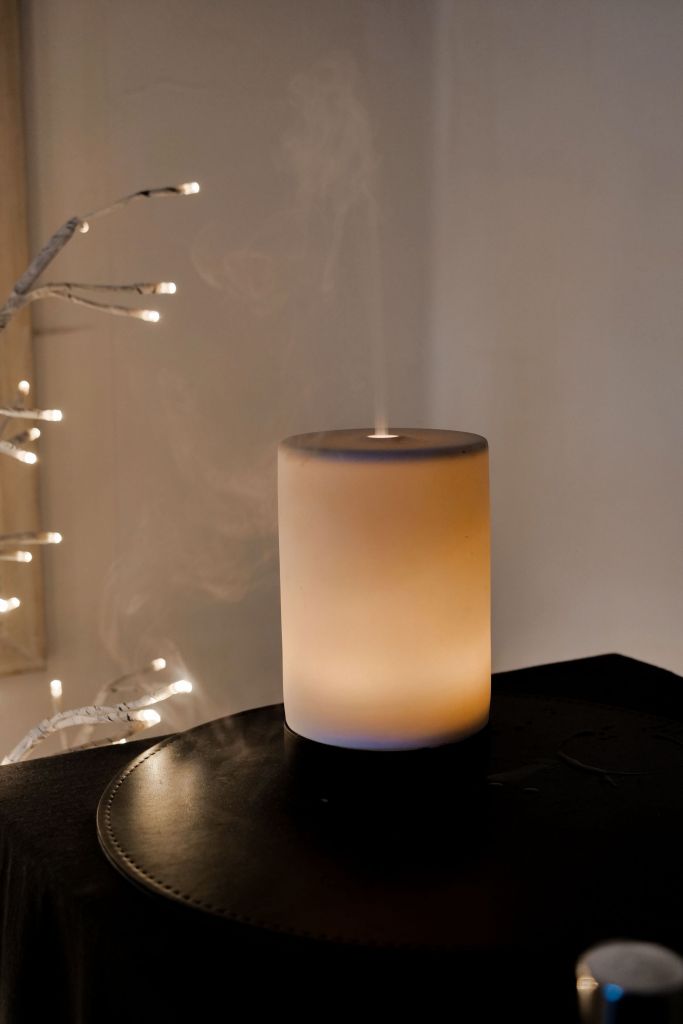
There’s something wonderfully relaxing about switching on an essential oil diffuser and watching a gentle cloud of fragrant mist drift into the room. But what happens when you fill the reservoir, add your favorite essential oils, press the button, and nothing comes out?
An essential oil diffuser that stops producing mist can be frustrating, especially when the lights still work and the device appears to be running normally.
Fortunately, a diffuser that isn’t misting isn’t necessarily broken.
The problem is often something relatively simple, such as an incorrect water level, essential oil buildup, a dirty ultrasonic plate, or a blocked mist outlet. In many cases, basic cleaning and a few troubleshooting steps can restore normal operation.
However, some misting problems are caused by worn components or electrical faults that require professional attention or replacement.
Here’s how to figure out why your essential oil diffuser isn’t misting, what you can safely do to fix it, and how to prevent the problem from happening again.
💨 How Does an Essential Oil Diffuser Produce Mist?
Before troubleshooting your diffuser, it helps to understand how it works.
Most essential oil diffusers used in homes are ultrasonic diffusers. These devices use water, essential oils, and high-frequency vibrations to create a fine mist.
Inside the water reservoir is a small component called an ultrasonic plate or ceramic disc.
When the diffuser is operating, this plate vibrates rapidly, breaking the water into tiny droplets. A small fan then helps carry the mist through the diffuser’s outlet and into the surrounding air.
The essential oils added to the reservoir are dispersed along with the water droplets, creating the familiar aromatic mist.
This process does not require boiling the water.
Unlike steam-producing appliances, ultrasonic diffusers create a cool mist through mechanical vibrations.
For the system to work properly, several things need to happen:
- The diffuser must receive adequate electrical power.
- The water level must be within the manufacturer’s recommended range.
- The ultrasonic plate must be clean and functioning.
- Air must be able to travel through the diffuser.
- The mist outlet must remain unobstructed.
If any of these conditions are disrupted, the diffuser may produce less mist than usual or stop misting altogether.
The following troubleshooting steps apply primarily to water-based ultrasonic essential oil diffusers. Waterless nebulizing diffusers, evaporative diffusers, and heat-based devices operate differently.
💧 1. Check the Water Level
One of the most common reasons an essential oil diffuser stops misting is an incorrect water level.
Ultrasonic diffusers are designed to operate with a particular amount of water in the reservoir.
If there is too little water, the diffuser’s automatic shutoff system may prevent it from operating.
If there is too much water, the ultrasonic plate may struggle to generate mist efficiently.
What Happens When a Diffuser Is Overfilled?
Adding water beyond the maximum fill line can interfere with the diffuser’s operation.
The ultrasonic plate is designed to work under specific water-depth conditions. Excessive water can reduce mist production or prevent the device from functioning as intended.
Some diffusers may also shut down when the reservoir is overfilled.
To correct the problem, switch off and unplug the diffuser. Remove the lid and check the water level against the marked maximum fill line.
If necessary, carefully empty some water according to the manufacturer’s instructions, keeping liquid away from the air vents and electrical components.
Replace the lid and restart the diffuser.
What Happens When There Isn’t Enough Water?
Many ultrasonic diffusers have a sensor that detects when the reservoir is running low.
When the water falls below the minimum operating level, the device may shut off automatically.
Some models leave the decorative light on even when mist production has stopped, which can make the problem confusing.
If the reservoir is nearly empty, refill it according to the manufacturer’s directions.
Never bypass a low-water shutoff system or attempt to operate a diffuser dry.
🧼 2. Clean the Ultrasonic Plate
If the water level is correct but your diffuser still isn’t misting, the ultrasonic plate is one of the first components to inspect.
Over time, essential oils can leave a thin film on the surface of the ceramic disc.
Minerals from water may also accumulate, especially in areas with hard tap water.
These deposits can interfere with the plate’s vibrations, reducing the amount of mist produced.
In some diffusers, heavy buildup can prevent misting altogether.
How to Find the Ultrasonic Plate
Unplug the diffuser and remove the lid.
Look inside the water reservoir, usually near the bottom.
The ultrasonic plate often appears as a small, round ceramic or metal-colored disc.
Its exact location varies by model.
Some diffusers also have a separate water-level sensor that should be kept clean.
How to Clean the Ultrasonic Plate Safely
Begin by checking your diffuser’s cleaning instructions.
For many models, a gentle cleaning with a soft cloth or cotton swab is sufficient.
A practical approach is to empty the reservoir, gently wipe away visible residue, and carefully clean around the plate with a cotton swab lightly dampened with water.
Avoid pressing hard on the disc or scratching its surface.
Some manufacturers, including NOW, recommend using a cotton swab with a small amount of rubbing alcohol for deeper cleaning of oil residue.
However, alcohol is not appropriate for every diffuser, so only use it if your manufacturer’s instructions permit it.
Never scrape the ultrasonic plate with a knife, metal tool, or abrasive brush.
Once the cleaning is complete, allow the appropriate components to dry as directed, refill the reservoir, and test the diffuser.
🌿 3. Remove Essential Oil Buildup
Essential oils are concentrated aromatic substances, and some can leave stubborn residue inside a diffuser.
This is particularly noticeable when using thicker, more resinous oils or certain fragrance preparations.
Over time, residue can accumulate around the ultrasonic plate, water-level sensor, and interior surfaces.
If your diffuser produces progressively less mist over several weeks, buildup may be contributing to the problem.
Can Too Much Essential Oil Stop a Diffuser from Misting?
Yes, indirectly.
Adding excessive amounts of essential oil can increase residue inside the reservoir.
The oil may form a film on the ultrasonic plate or collect around other components, eventually interfering with normal operation.
Adding more essential oil does not create more mist.
Mist production depends primarily on the diffuser’s ultrasonic system and water supply.
Use the quantity of essential oil recommended for your particular device.
A small diffuser may require considerably fewer drops than a larger model.
Can You Put Carrier Oils in a Diffuser?
Most ultrasonic essential oil diffusers are not designed for carrier oils such as jojoba, sweet almond, or fractionated coconut oil.
These oils are much less volatile than essential oils and can leave substantial oily residue.
Unless your device specifically allows them, avoid adding carrier oils, massage oils, or other thick preparations to the water reservoir.
If you have accidentally added an unsuitable oil, unplug the diffuser and clean it according to the manufacturer’s instructions before using it again.
🚰 4. Check the Type of Water You’re Using
The type of water used in an ultrasonic diffuser can affect its performance.
This is one area where manufacturer recommendations differ considerably.
Some diffusers are designed to operate with ordinary tap water. Others can use filtered or distilled water.
For example, NOW recommends tap water for its ultrasonic diffusers, while some Vitruvi models allow either tap or distilled water.
This means there is no universal rule that distilled water is always better for every essential oil diffuser.
Can Distilled Water Cause a Diffuser to Stop Misting?
In some models, using distilled or highly purified water may affect mist production.
Certain diffuser manufacturers specifically design their devices to operate with tap water.
If your diffuser stopped misting after switching to distilled water, check the owner’s manual to see which water type is recommended.
Can Hard Water Affect Mist Production?
Yes.
Hard water contains dissolved minerals that can leave deposits on the interior surfaces of an ultrasonic diffuser.
Over time, mineral buildup may interfere with the ultrasonic plate or water-level sensor.
If you frequently notice white deposits inside the reservoir, your water may be contributing to the problem.
Use the water type recommended by your diffuser’s manufacturer and follow its cleaning schedule.
Avoid adding water softeners, descaling chemicals, or other substances unless specifically approved for your device.
🌬️ 5. Check for a Blocked Mist Outlet
Sometimes a diffuser produces mist internally but cannot release it properly into the room.
The mist outlet is the opening through which the fine water droplets escape.
Depending on the design, it may be located at the top of the diffuser or built into a removable cover.
Oil residue, dust, or an incorrectly positioned internal component can interfere with airflow.
If the diffuser makes its usual operating sound but produces little or no visible mist, inspect the outlet.
Turn off and unplug the device before removing the cover.
Check for visible obstructions and gently wipe accessible surfaces with a soft cloth.
Some models have an inner vapor cover or directional mist insert that must be positioned correctly.
If this component is missing, upside down, or improperly seated, mist may collect inside the diffuser rather than exiting normally.
Reassemble the diffuser according to its instructions and test it again.
🌀 6. Make Sure the Air Intake Isn’t Blocked
Many ultrasonic diffusers contain a small internal fan that helps carry mist from the reservoir to the outlet.
The fan draws air through vents, often located near the underside of the device.
If these openings become blocked, airflow may be reduced.
This can prevent the diffuser from releasing mist effectively, even if the ultrasonic plate is functioning.
Check Where the Diffuser Is Sitting
A diffuser should generally be placed on a firm, flat, stable surface.
Setting it on a thick rug, towel, or soft cushion may obstruct ventilation openings.
Dust can also accumulate around the underside of the unit.
Switch off and unplug the diffuser before inspecting the vents.
If you notice dust or debris, gently clean the accessible exterior openings with a soft, dry cloth or brush.
Do not push tools into the vents or open the electrical housing.
If the diffuser’s fan has failed, replacing or repairing the device through the manufacturer may be necessary.
⚡ 7. Check the Power Supply
If your essential oil diffuser won’t turn on at all, the problem may be electrical rather than related to mist production.
Start with the simplest possibilities.
Make sure the power cord is fully connected and the electrical outlet is working.
If the diffuser uses a removable power adapter, check that you are using the correct adapter supplied or approved by the manufacturer.
Some diffusers require specific electrical specifications, and an incompatible adapter may not provide sufficient power.
If you use a USB-powered diffuser, confirm that the power source meets its requirements.
What If the Diffuser Lights Up but Doesn’t Mist?
Many diffusers have separate controls for lighting and mist production.
It is possible for the decorative LED lights to work while the misting function remains switched off.
Check whether your diffuser has separate mist and light buttons.
Also examine the timer settings.
Some models have intermittent misting modes, while others automatically stop after a selected operating period.
Try selecting continuous mist mode, if available, and observe whether mist production begins.
If the device has been operating normally and suddenly stops, a low-water sensor or completed timer cycle may explain the behavior.
When Is an Electrical Problem Serious?
If you notice a damaged power cord, burning smell, unusual heat, visible electrical damage, or signs of water inside the electrical housing, stop using the diffuser.
Unplug it if it is safe to do so.
Do not attempt to dismantle the electrical base, bypass safety sensors, or repair internal wiring yourself.
Contact the manufacturer about replacement or professional servicing.
🧴 8. Check Whether the Lid Is Positioned Correctly
A diffuser lid may seem like a purely decorative component, but its position can affect mist production.
On many models, the cover helps guide airflow and mist toward the outlet.
If the lid is crooked, loose, or incorrectly assembled, mist may escape through the wrong opening or condense inside the device.
Some diffusers also have safety features that prevent operation when the cover is not positioned correctly.
If your diffuser stopped misting immediately after cleaning or refilling, check the lid.
Remove and reposition it according to the manufacturer’s instructions.
Make sure any internal mist guide or removable insert is seated properly.
A correctly assembled lid may be all that is needed to restore normal operation.
🌡️ 9. Check the Water Temperature
Water temperature can also influence the performance of certain ultrasonic diffusers.
For example, NOW advises that water that is too cold may prevent some of its ultrasonic models from functioning properly until the water warms.
However, this recommendation is specific to the equipment.
Other manufacturers may have different instructions.
If you recently filled your diffuser with very cold water, check whether the manual recommends room-temperature or lukewarm water.
Never pour boiling or very hot water into a diffuser unless the manufacturer specifically permits it.
Excessive heat may damage plastic components, seals, and internal parts.
🔧 10. Consider Whether a Component Has Failed
If you have checked the water level, cleaned the reservoir, inspected the outlet, and confirmed that the diffuser is receiving power, an internal component may no longer be functioning.
The ultrasonic plate can wear out or become damaged.
The fan may also stop working, preventing mist from reaching the outlet.
In some cases, the water-level sensor or electronic controls may fail.
These problems are not always repairable at home.
If your diffuser is relatively new, check whether it is still covered by a manufacturer’s warranty.
Some brands provide troubleshooting support, replacement parts, or device replacements for qualifying defects.
For older or inexpensive diffusers, replacement may be more practical than repair.
Avoid attempting electrical repairs unless you are appropriately qualified and the manufacturer provides a safe, approved procedure.
🧽 How to Clean an Essential Oil Diffuser That Isn’t Misting
If residue appears to be the problem, a careful cleaning is often a sensible next step.
Different diffusers have different cleaning requirements, so always prioritize the instructions provided with your model.
For a typical water-based ultrasonic diffuser, the general process involves the following steps.
- Turn off and unplug the diffuser. Disconnect it from electricity before handling the water reservoir.
- Empty the remaining water. Pour it out using the drainage direction specified by the manufacturer, avoiding ventilation openings.
- Wipe the reservoir. Use a soft cloth to remove visible oil film and mineral deposits.
- Clean the ultrasonic plate. Gently use a cotton swab or another cleaning tool approved for your model.
- Inspect the lid and mist outlet. Remove accessible residue and make sure all components are correctly positioned.
- Allow appropriate parts to dry. Follow the manufacturer’s guidance before reassembling and reconnecting the diffuser.
- Refill and test with water only. Use the recommended water type and fill level to determine whether mist production has returned.
Testing with water only can be particularly useful.
If the diffuser produces mist after cleaning, you can rule out some mechanical problems before adding essential oils again.
Should You Clean a Diffuser with Vinegar?
Some manufacturers recommend diluted white vinegar for removing deposits from their diffusers.
For example, Vitruvi’s cleaning guidance includes a vinegar-based cleaning method for certain water-based models.
However, vinegar is not appropriate for every diffuser.
Some manufacturers recommend other cleaning methods or caution against particular substances.
Do not assume that running vinegar through every diffuser is safe.
Check the instructions for your specific model before using vinegar, alcohol, cleaning solutions, or descaling products.
Never immerse the diffuser’s electrical base in water.
🔍 Why Is My Diffuser Misting Weakly Instead of Stopping Completely?
A diffuser that produces a small amount of mist may be experiencing the same problems as one that has stopped entirely.
The difference is that the device is still functioning to some degree.
Oil residue on the ultrasonic plate can gradually reduce mist output.
Mineral deposits may have a similar effect.
An incorrect water level, partially blocked outlet, or restricted fan intake can also weaken the visible mist.
Environmental conditions may influence how mist appears.
For example, a fan or air-conditioning vent blowing directly across the diffuser can disperse the mist so quickly that it becomes difficult to see.
The humidity and temperature of the surrounding air can also affect the appearance of the mist plume.
If your diffuser appears to be producing less mist than usual, move it away from strong drafts and compare its performance with the manufacturer’s expected operation.
Then check the water level and clean the device if necessary.
Remember that a smaller visible cloud does not always mean the diffuser has stopped working.
🛑 Why Is My Diffuser Not Misting After Cleaning?
It can be especially frustrating when a diffuser stops misting immediately after you clean it.
Fortunately, the cause may be relatively simple.
First, check the water level.
It is easy to accidentally overfill the reservoir after cleaning, especially if the maximum fill line is difficult to see.
Next, make sure the lid and any internal mist guide have been reinstalled correctly.
If the device has a separate mist button, confirm that the misting function is actually switched on.
Also make sure the diffuser has been allowed to dry and reassembled according to the manufacturer’s directions.
If the diffuser still does not operate, consider whether water may have accidentally entered a ventilation opening during cleaning.
Do not continue testing a unit that may have water inside its electrical housing.
Contact the manufacturer for guidance.
🌸 How to Prevent Your Essential Oil Diffuser from Clogging
Regular maintenance can help prevent many common diffuser problems.
One of the simplest habits is to avoid leaving old water and essential oil residue sitting in the reservoir for extended periods.
After using your diffuser, switch it off, unplug it, and empty the remaining water according to the manufacturer’s instructions.
Wipe away visible residue and allow the appropriate components to dry.
Follow the manufacturer’s recommendations for periodic deeper cleaning.
The ideal cleaning frequency depends on how often you use the diffuser, the essential oils you choose, and the type of water you use.
A diffuser used every day will generally require more attention than one used occasionally.
Try to keep the following principles in mind.
Use the correct water level. Avoid filling above the marked maximum line.
Use compatible essential oils. Do not add carrier oils or thick fragrance preparations unless the device is designed for them.
Keep the ultrasonic plate clean. Remove buildup before it begins interfering with mist production.
Protect the air vents. Place the diffuser on a suitable surface and keep ventilation openings clear.
Avoid leaving stale water in the reservoir. Empty, clean, and dry the device according to its instructions.
Use the correct power adapter. Incompatible electrical equipment can cause operational problems or create hazards.
A little regular care can often prevent the buildup that leads to weak or nonexistent mist.
🐾 A Note About Diffuser Safety Around Pets
If you use an essential oil diffuser in a home with pets, cleaning and maintenance are not the only considerations.
Essential oils can affect animals differently than people.
The ASPCA advises particular caution with essential oil diffusers around pets, especially animals with respiratory conditions.
It recommends avoiding essential oil diffuser use in homes with birds because of their sensitive respiratory systems.
Keep essential oil bottles and diffuser reservoirs where pets cannot reach them, and never allow animals to drink diffuser water.
If you are unsure whether a particular essential oil is appropriate around your pets, consult your veterinarian.
For more general precautions, read our Aromatherapy & Essential Oil Safety Guide.
❓ Frequently Asked Questions About Diffusers Not Misting
Why Is My Diffuser Lighting Up but Not Misting?
The lights and misting function may operate independently.
Check that the mist setting is switched on, the timer has not finished, and the water level is correct.
If these settings are normal, inspect the ultrasonic plate for buildup and make sure the mist outlet is clear.
Can Too Much Water Stop a Diffuser from Working?
Yes.
Overfilling an ultrasonic diffuser can interfere with mist production or trigger a protective shutoff feature.
Never fill beyond the manufacturer’s maximum water line.
Can Essential Oils Clog a Diffuser?
Yes.
Essential oils can leave residue that accumulates on the ultrasonic plate and other interior components.
Regular cleaning and using appropriate quantities of oil can help reduce this buildup.
Why Is My Diffuser Making Noise but Producing No Mist?
The sound may indicate that an internal component is operating, but it does not prove that the ultrasonic plate and fan are both working correctly.
Check the water level, mist settings, outlet, and ultrasonic plate.
If these are all normal, a component may need servicing or replacement.
Can I Run My Diffuser with Just Water to Test It?
For most water-based ultrasonic diffusers, yes.
Running the device with the recommended amount of plain water can help determine whether it is producing mist without adding essential oil residue.
Follow your manufacturer’s instructions for testing and operation.
Why Does My Diffuser Stop Misting After a Few Minutes?
Possible causes include an automatic timer, intermittent mist setting, low-water shutoff, sensor issue, or internal malfunction.
Check the operating mode and reservoir level first.
If the problem continues despite correct operation and cleaning, contact the manufacturer.
How Often Should I Clean My Essential Oil Diffuser?
Cleaning frequency depends on the device and how often it is used.
Many manufacturers recommend emptying the reservoir after use and cleaning it regularly to prevent essential oil and mineral buildup.
Follow your particular diffuser’s instructions rather than relying on a universal cleaning schedule.
How Do I Know If My Diffuser Is Broken?
If the diffuser still does not mist after you have checked its water level, settings, power supply, cleaning requirements, and airflow, an internal component may have failed.
A damaged power cord, burning smell, unusual overheating, or water entering electrical components is a reason to stop using the device immediately.
Contact the manufacturer about repair or replacement rather than attempting to bypass safety features.
🌿 Getting Your Essential Oil Diffuser Working Again
An essential oil diffuser that stops misting can be inconvenient, but the problem is often easier to investigate than it first appears.
Start with the simplest possibilities: check the water level, confirm the mist setting, and make sure the lid is correctly positioned.
If those steps don’t help, inspect and gently clean the ultrasonic plate, remove visible residue, and check that the mist outlet and air intake are unobstructed.
Always follow the cleaning instructions for your particular diffuser, especially when using vinegar, alcohol, or other cleaning agents.
If the diffuser continues to malfunction after these basic checks, there may be an internal problem that requires professional servicing or replacement.
Regular cleaning, proper water levels, and moderate essential oil use can help keep your diffuser operating efficiently.
And once that gentle mist is flowing again, you can return to enjoying your favorite scents, whether you prefer fresh citrus, comforting lavender, warm cedarwood, or a blend you’ve created yourself.
🔗 Related Reading
Explore more information about essential oils, diffuser care, and home fragrance:
- Diffusers & Aromatherapy Products: Complete Guide to Choosing What You Need
- Essential Oils for the Home: Diffusers, Natural Fragrance, Cleaning & More
- Aromatherapy Diffusers for Relaxation: Essential Oils, Blends & Safety
- Essential Oil Blends & Recipes
- Aromatherapy & Essential Oil Safety


